Raised Bed Gardening
Why It’s the Best Choice for Small Homesteads
If you’re dreaming of growing your own food but have a small space, poor soil or a short growing season, raised bed gardening may be just what you’ve been looking for.
Raised beds are popular among homesteaders, backyard gardeners and even urban growers and for good reason. They offer better soil control, improved drainage, easier upkeep and often produce higher yields than traditional in-ground gardens.
Whether you’re starting your first vegetable garden or expanding your tiny homestead, here’s everything you need to know about raised bed gardening.
What Is Raised Bed Gardening?
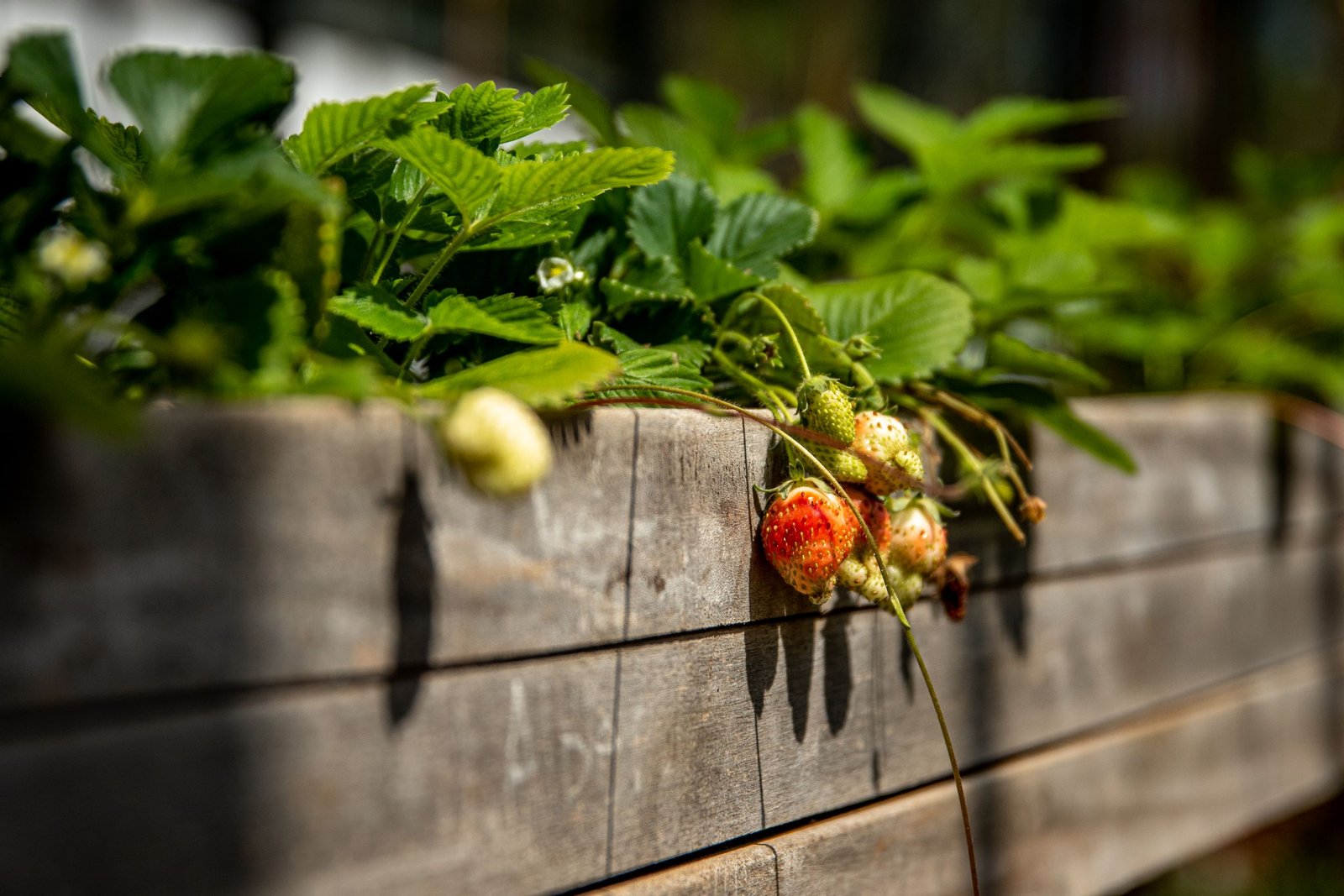
A raised bed is simply a gardening area that sits above ground level and is enclosed by a frame made from wood, metal, stone or other materials.
Instead of planting directly into the ground, gardeners fill the bed with a customized soil mix that’s designed to support healthy plant growth.
Raised beds can be any size, but one of the most popular dimensions is 4 feet by 8 feet, which provides plenty of growing space while still allowing easy access from all sides.
Benefits of Raised Bed Gardening
Better Soil Quality
One of the biggest pros of raised beds is your ability to control your soil.
Many homeowners struggle with:
- Rocky soil
- Clay soil
- Poor drainage
- Nutrient deficiencies
With a raised bed, you start fresh with nutrient-rich soil that is ideal for growing veggies.
Improved Drainage
In areas that receive frequent rainfall, raised beds help prevent water from pooling around plant roots.
Because the soil sits above ground level, excess moisture drains away, reducing the risk of root rot and fungal diseases.
Earlier Spring Planting
The soil in raised beds warms up faster than traditional garden plots.
This means you can often begin planting earlier in the spring to extend your growing season.
For gardeners in cooler climes, this can make a huge difference.
Fewer Weeds
Raised beds generally contain fewer weeds than in-ground gardens.
Because you’re filling the beds with clean soil and compost, you won’t be battling years of dormant weed seeds already present in native soil.
While some weeds will still appear, upkeep is usually much easier.
Easier on Your Body
For many gardeners, raised beds reduce physical strain.
You won’t need to bend as deeply, kneel as often, or work directly on hard ground.
This can be especially beneficial for:
- Older gardeners
- People with arthritis
- People with back, hip, or knee pain
- Gardener’s with mobility challenges
Raised beds can be made high enough for a wheelchair or rollator to pull up easily, making gardening even more accessible.
Higher Yields in Smaller Spaces
Because raised beds allow for intensive planting, you can grow more food in less space.
Plants can be spaced more efficiently, and vertical growing methods can further increase yield.
This makes raised beds ideal for tiny homesteads and suburban backyards.
Choosing the Right Location
Before building your raised beds, choose a location that gets plenty of sunlight.
Most veggies require:
- 6 to 8 hours of direct sunlight daily
- Good air circulation
- Easy access to water
Spend a few days watching your yard before you decide on bed placement.
How Deep Should a Raised Bed Be?
Most vegetables grow well in beds that are 10 to 12 inches deep.
However, deeper beds offer additional benefits.
Recommended Depths
10–12 inches
- Lettuce
- Spinach
- Herbs
- Onions
12–18 inches
- Beans
- Peas
- Beets
18–24 inches
- Carrots
- Parsnips
- Tomatoes
- Most root crops
If you’re building new beds, 16 to 18 inches is often a good compromise.
What Should You Fill Raised Beds With?
A common mistake is filling raised beds entirely with bagged garden soil.
Instead, use a combo of:
- Topsoil
- Compost
- Organic matter
A simple blend is:
- 40% topsoil
- 40% compost
- 20% organic material
This combo provides nutrients and moisture retention.
Best Vegetables for Raised Beds
Almost any vegetable can thrive in raised beds, but some are particularly well-suited.
Easy Beginner Crops
- Lettuce
- Spinach
- Kale
- Carrots
- Beets
- Turnips
- Green onions
- Bush beans
- Peas
Crops That Love Raised Beds
- Tomatoes
- Peppers
- Cucumbers
- Zucchini
- Pole beans
These plants benefit from the loose, fertile soil you create in your raised beds.
Maximize Space with Vertical Gardening
One of the greatest advantages of raised bed gardening is the ability to grow vertically.
Consider adding:
- Trellises
- Arches
- Cattle panels
- Tomato supports
Vertical growing allows crops like peas, beans, cucumbers and squash to grow up instead of out.
This increases your yield without needing additional garden space.
Watering Raised Beds
Raised beds tend to dry out faster than in-ground gardens.
To keep things moist:
- Water deeply rather than frequently
- Add mulch around plants
- Use drip irrigation if possible
Consistent watering gives healthier plants and larger harvests.
Common Raised Bed Gardening Mistakes
Overcrowding Plants
It’s tempting to plant as much as possible, but overcrowding reduces airflow and increases disease risk.
Ignoring Soil Health
Even raised beds need regular additions of compost and organic matter.
Forgetting Crop Rotation
Avoid planting the same crop in the same location year after year.
Rotating crops helps decrease pests and disease.
Building Beds That Are Too Wide
Beds wider than four feet make harvesting and maintenance more difficult.
Keep beds narrow enough to reach the centre from either side.
Are Raised Beds Worth It?
For most smaller homesteads, the answer is a resounding yes.
While there is an upfront investment in materials and soil, raised beds often provide:
- Better harvests
- Easier maintenance
- Improved accessibility
- Better weed control
- Greater growing success
For small homesteads, they offer one of the most efficient ways to grow food.
Raised bed gardening is one of the best investments you can make in your homestead. Whether you’re working with poor soil, limited space, or simply want a more manageable gardening experience, raised beds provide an effective and productive solution.